Upcoming webinar: Can EACs, biomethane and carbon credits bridge the gap between targets and progress?
Corporate net zero under SBTi V2 – how do Energy Attribute Certificates (EACs), biomethane and carbon credits fit in?
Many companies have 2030 targets for GHG reduction, often validated by the Science Based Targets initiative (SBTi). As the target year approaches, some are struggling to achieve the GHG reductions required.
SBTi V2 was published in June 2026 and becomes available for target validations from 1st February 2027. It will be phased in for all companies engaged with the SBTi over the coming years, depending on their target validation year.
SBTi V2 includes an expanded role for market-based instruments in meeting targets, and a new framework for recognising carbon credit investment. It offers new ways to achieve climate goals, while maintaining credibility with investors, customers, and stakeholders.
Many of the options and instruments alluded to in SBTi V2 are as yet immature, but others have been established for a long time.
In an upcoming webinar with CFP Energy, we will explore the role of three established markets for Energy Attribute Certificates (EACs), biomethane and carbon credits. We will explain how these options fit into the SBTi V2 framework, then delve into each of them in turn.
SBTi V2 and the Net Zero Transition: Can Energy Attribute Certificates (EACs), Biomethane and Carbon Credits Bridge the Gap?
Date: Wednesday 2nd December 2026
Time: 10:00 GMT
BIP.Verco's Tim Crozier-Cole will join speakers from CFP Energy to cover:
- how market-based instruments are treated in the new SBTi V2 criteria;
- how EACs, biomethane certificates, and voluntary carbon credits are evolving;
- where they can create genuine climate impact; and
- how organisations can deploy them while maintaining credibility.
Meet the speaker
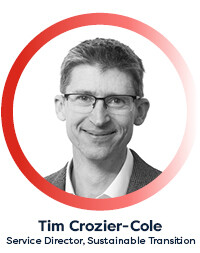
Tim has over 25 years of professional experience in the climate change and sustainability sector. He was involved in the development of Renewable Energy Certificates in the early 2000s. In recent years he has focused on helping corporate clients develop decarbonisation pathways, set targets, and navigate net zero frameworks and climate disclosures.
Tim says, “Market-based instruments such as Energy Attribute Certificates and carbon credits can have an important role in the energy transition and reducing climate impacts. I’m looking forward to exploring the role of some of the commercial options available now alongside experts from CFP Energy”.
If you'd like to chat with Tim and his team about this topic, please feel free to reach out.