How to stay ahead of real estate's shifting focus in 2026
Our recent survey of real estate professionals revealed a lot about the current position of the sector on its climate journey.
Despite significant geopolitical changes, climate ambition is holding steady, with many businesses sticking to their targets or seeking to align with best practice. However, while the general trajectory is the same, a lot has changed. Priorities are shifting. Regulation is evolving, and new challenges are demanding attention.
In this article, we draw on our report, Climate Action in Real Estate: Market Outlook 2026, to paint a picture of where investors, stakeholders and market leaders are focusing their efforts this year.
Continuing trends
Reducing operational carbon emissions remains important
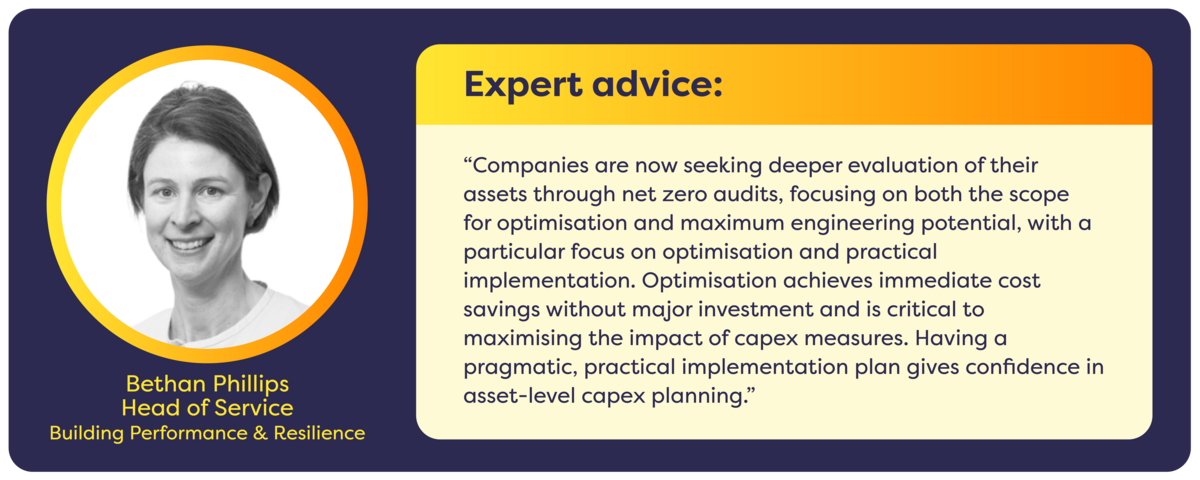
Reducing operational carbon emissions has been a priority for real estate over the last few years and remains important as we enter 2026. Delivery and implementation are at the forefront of our respondents’ work, with proactive net zero carbon audits and follow-on action remaining vital to carbon reduction plans.
Movement from policy to proof stays consistent
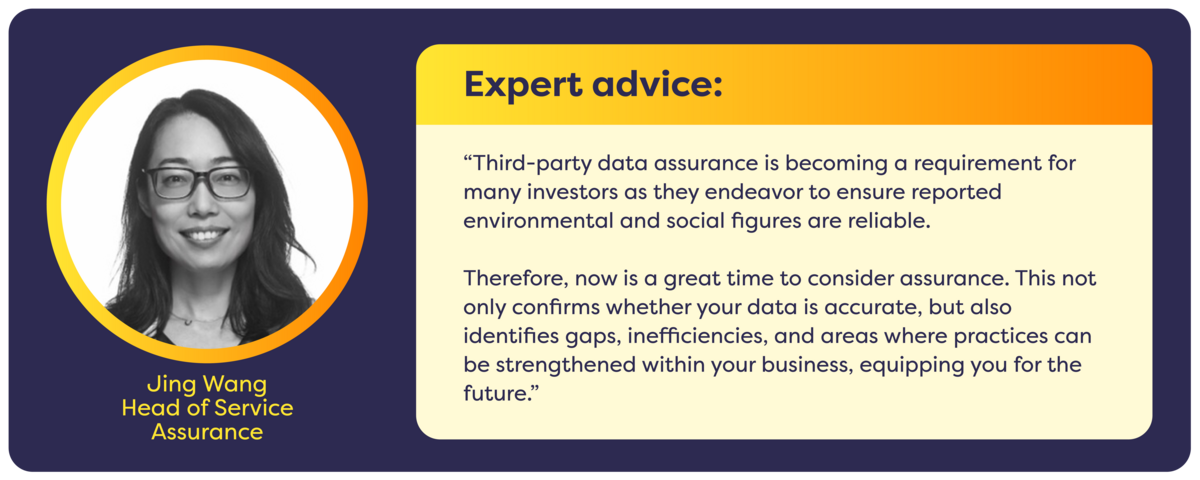
Over recent years, businesses have faced pressure from regulatory authorities, investors, and stakeholders to share reliable evidence of change. This continues in 2026, as significant fines for greenwashing, along with a more general rise in awareness about sustainability, mean that accurate and verified data is more important than ever.
Find out more about pre-assurance
Shifting focus
Embodied carbon is now top priority
Managing the embodied carbon of developments and major refurbishments has emerged as the top priority for our survey respondents for the first time in the last five years. You can see the rankings below:
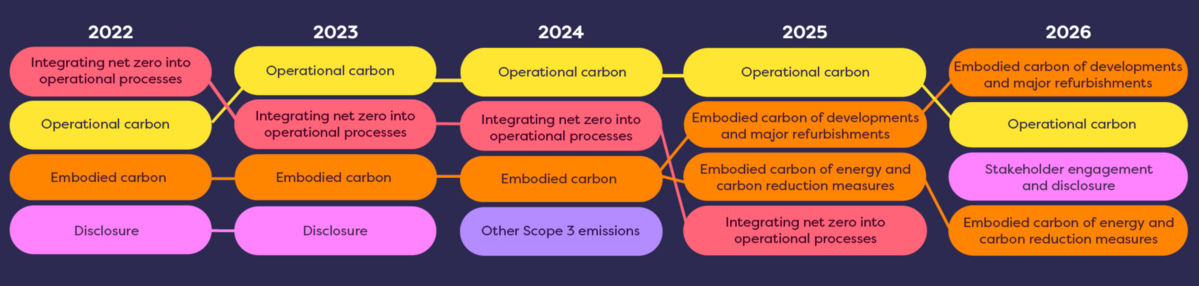
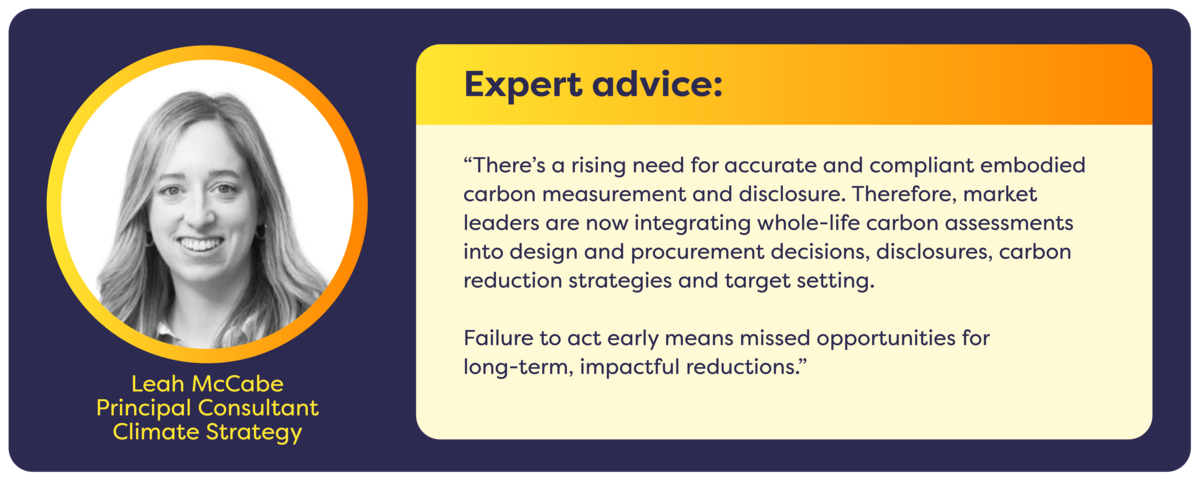
Embodied carbon has risen to the top of the list because it is becoming more defined, regulations are expanding and investors now expect granular, transparent reporting in this area.
Contact us for more information on whole life embodied carbon assessments
Extreme weather necessitates climate risk assessments
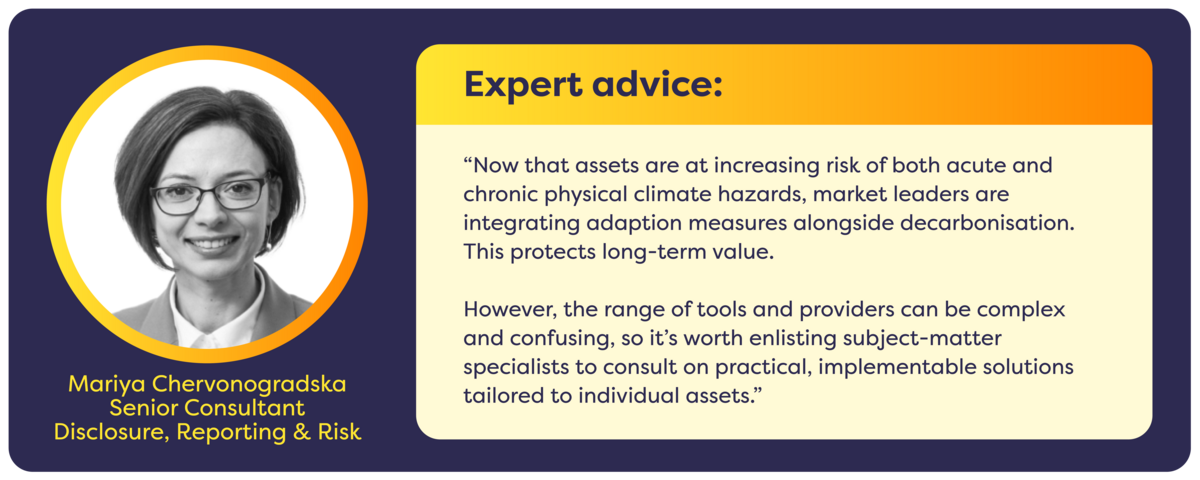
After a year of extreme weather, in which severe heatwaves, floods, wildfires and disruptive storms affected millions, attention is turning to the growing physical climate risks to people, assets and infrastructure. In our survey, ‘delivering decarbonisation and managing climate transition risk’ was the top priority, with 100% of respondents deeming it ‘somewhat important’ to ‘extremely important’.
Find out more about climate risk assessment
Technology is optimising climate action
It’s no secret that technology is shifting the landscape of sustainability. AI-enabled energy optimisation, forecasting, and building analytics have made it possible to move forward with climate action plans more quickly and efficiently. And this is perfect timing, as most businesses have now set their targets and are working on evidencing delivery against them.

Stay informed about the real estate sector's climate journey
You can download and browse the full report, Climate Action in Real Estate: Market Outlook 2026, by clicking the link below.
Look out for more articles in this series
This article is part of a series exploring the valuable data we collected in the report, so keep an eye on our website and social media for the latest updates. Here are the other articles in the series:
This year's key priorities for climate action in real estate
This year's biggest challenges for real estate professionals (and how to overcome them)
Top tips for streamlining your reporting and evidencing delivery
Finally, please get in touch if you'd like tailored advice on your next steps and how we can help you this year.